
“Hapish(হাপিশ)” means that people can just disappear without a trace and no one will know they were there. Hapish is a gift for some people who always want to leave without hurting anyone else’s life.
It takes a lot of courage to leave someone you love behind so it is not a choice. The people who make this choice are the cruel people on the planet because it is their only chance to live. People who have a time every day and do not know how to fix their problems. They are the ones who know Hapish best. Hapish is a word that many people do not know. It is a common word in Bangladesh, an Asian country. I think Hapish is something that people in Bangladesh understand well.
Hapish is a word that can be very sad. It is also very real, for some people. There is a story about Hapish that’s a very emotional folk-style story about a families struggles.
হাপিশের ছায়া (The Shadow of Hapish)
একটা সময়ের কথা, এক পরিবার শান্তভাবে বসবাস করত একটি ছোট শহরে। জীবনের কষ্ট তাদের কখনো ছাড়েনি, কিন্তু প্রতিটি বছরের সঙ্গে সেই বোঝা আরও ভারী হয়ে উঠত। পিতা, কঠিন হাতে ক্লান্ত মানুষ, ভোর থেকে সন্ধ্যা পর্যন্ত এমন একটি কারখানায় কাজ করত, যেখানে পরিবারকে খাওয়ানোর মতো পয়সাও কষ্টে জোগাড় হতো। মা, দুর্বল ও ক্লান্ত, ঘরের কাজের সঙ্গে সঙ্গে মাঝে মাঝে সেলাইয়ের কাজ করত। কিন্তু যতই চেষ্টা করুক, অর্থের অভাব তাদেরকে সবসময় তাড়া করত।
বড় মেয়ে লিনা স্কুলে যেতে চেয়েছিল যার মেধার কোনও অভাব ছিল না। কিন্তু বই ছিল তার জন্য এক বিলাসিতা, আর টিউশন ফি মনে হতো পাহাড়ের মতো উঁচু। রাতের বেলা সে ছোট ছোট কাগজের টুকরোতে অক্ষর আঁকত, কল্পনা করত যেন উজ্জ্বল উষ্ণ ক্লাসরুমে পড়ছে। ছোট ছেলে আমির প্রায়ই ক্ষুধার্ত মনে করে শুয়ে যেত, তার ছোট্ট পেট তার মৃদু কণ্ঠের চেয়ে জোরে গর্গল করত।
এক সন্ধ্যায়, তাদের বাবা বাড়ি ফিরল দেরিতে। তার মুখ ফ্যাকাশে, হাত কেঁপে উঠছিল। কারখানায় নাকি লোক ছাঁটাইয়ের খবর এসেছিল, এবং সে অল্পের জন্য এবারো বেঁচে গিয়েছিল। সেই রাত, তারা সবাই মিলিত হয়ে ছোট কাঁথার উপর বসেছিল, এবং অমীমাংসিত ভয় তাদের ঘিরে ধরল। তারা যেন কিনা প্রান্তে দাঁড়িয়েছিল, আর কেউ বলতে পারত না পরের দিন কী ঘটবে।
সপ্তাহ খানেক কেটে গেল, আর তাদের দুঃখ আরও গভীর হতে থাকলো। মা অসুস্থ হয়ে পড়ল, এবং সামান্য যা সঞ্চয়ও ছিল তাও ওষুধের পিছে খরচ হয়ে গেল। লিনা অতি ছোট কাজ করতে গিয়ে সাহায্য করল। কিন্তু সে কেবল ছোট একটি মেয়ে তার দ্বারা কতটুক করা সম্ভব।জীবনের সময় তাদের জন্য থেমে গেছে, ক্রমশেই প্রতিটি পদক্ষেপ যেন শূন্যে মিলিয়ে যাচ্ছিল। পরিবারের স্বপ্ন, ভালো জীবনের আশা, ক্রমেই হাপিশ হয়ে যাওয়ার পথে, তাদের বার বার মনে হচ্ছিলো যেন পৃথিবীই তাদের ভুলে গেছে।
প্রতিবেশীরাও একসময় সুখ-দুখের বন্ধু ছিল, একে একে সবাই দূরে সরে গেল। বিচার ও সহানুভূতির ফিসফিসানি গলি জুড়ে ঘুরতে লাগল। পিতার মনোবল, যা বছরের পর বছর ধরে ভেঙে গিয়েছিল, প্রতিদিন আরও ভেঙে যাচ্ছিল। সে সন্ধ্যায় বাইরে বসে থাকত, বিন্দুমাত্র দৃষ্টি খালি রেখে, ভাবত পৃথিবী কেন এত নির্মম।
এক ঝড়ের রাতে ভাঙা জানালা দিয়ে বাতাস ঢুকছিল। পরিবারটি একে অপরকে কাছে জড়িয়ে বসেছিল, ছাদ থেকে পানির ফোঁটা পড়ার শব্দ শোনা যাচ্ছিলো। ছোট ছেলে আমির পাতলা একটি কম্বল পড়ে কেঁপে কেঁপে বলল, সে চাইত এমন একটি বাড়ি যেখানে তারা কখনো ক্ষুধার্ত থাকবে না। লিনা স্কুলে যেতে পারবে, মা প্রতিদিন সর্দি-কাশিতে কষ্ট পাবে না। লিনার চোখে পানি টলটল করলো কিন্তু কিছু বলল না, শুধু মাথা নাড়ল।
সেই অন্ধকারে এক অদ্ভুত সাহস জন্মালো। পিতা, তার সন্তানদের চোখে ভয় ও দুঃখ দেখে, নিজেকে শক্ত করে দাঁড় করালেন। “তুমরা হয়তো ছোট, হয়তো ভুলে যা্বে, কিন্তু যতদিন আমরা একে অপরকে ধরে রাখব, আমরা পুরোপুরি অদৃশ্য নই।” মা ক্ষীণ হাসি দিয়ে সন্তানদের হাত আরও কাছে টেনে নিলেন। সেই মুহূর্তে, তারা উষ্ণতা পেল শুধু অর্থে নয়, আরামের মধ্যে নয়, পৃথিবীর স্বীকৃতিতেও নয়—বরং ভালোবাসা এবং সহনশীলতার ক্ষীণ, অন্ধকার আলোতে।
তাদের জীবন কঠিন, নির্মম ও দয়া-হীন ছিল। তবুুও সেই ছোট ঘরে তারা একটি আশার আলো খুঁজে পেল যা তাদের কষ্টকে পুরোপুরি নতুন রূপে নেয়ে গেলো। তারা জানত, পৃথিবী ক্রমাগত নিষ্ঠুর থাকবে। লিনা স্কুলে যেতে পারবে না, পিতার শরীর আরও ক্লান্ত হবে, মা অসুস্থতার হাতছানি থেকে মুক্ত হবে না। তবুও, ক্রমাগত রাত ও দিনের মধ্য দিয়ে তারা একসাথে প্রতিটি সংগ্রাম মোকাবেলা করল। একে অপরকে শক্তভাবে ধরে রাখল, এবং কখনো পুরোপুরি একেঅপরকে হাপিশ হতে দিলো না।
translated version…
Once upon a time, a family lived quietly in a small town. Life had never been easy for them, and with each passing year, the burden only grew heavier. The father, a worn-out man with rough hands, worked from dawn till dusk in a factory. Even though earning enough to feed his family felt like a constant struggle. The mother, weak and exhausted, managed the household while also taking on small sewing jobs. But no matter how hard she tried, money was always scarce.
Their eldest daughter, Lina, longed to go to school. She was bright and eager to learn, but books felt like a luxury she could never afford. And the tuition fees seemed impossibly high. At night, she would scribble letters on scraps of paper, imagining herself sitting in a warm, well-lit classroom. Meanwhile, little Amir often went to bed hungry, his tiny stomach growling louder than his soft voice.
One evening, their father returned home later than usual. His face was pale, his hands trembling. There had been news of layoffs at the factory, and he had barely managed to keep his job for now. That night, the family sat together on a thin blanket, surrounded by a silent, unspoken fear. It felt as if they were standing on the edge of something uncertain, unsure of what the next day would bring. Weeks passed, and their situation only worsened.
The mother fell ill, and whatever little savings they had disappeared on medicine. Lina tried to help by taking on small tasks, but she was just a child—there was only so much she could do.
Time seemed to stand still for them, each day slipping away into nothingness. Their dreams of a better life slowly began to fade, as if the world had quietly forgotten them. Neighbors who once shared their joys and sorrows gradually drifted away. Whispers of judgment and pity filled the narrow streets. The father’s spirit, already worn down by years of struggle, continued to break a little more each day. He would sit outside in the evenings, staring into emptiness, wondering why the world could be so cruel.
After few days later,
On a stormy night, cold wind rushed in through their broken window. The family huddled together as droplets of water fell from the leaking roof. Wrapped in a thin blanket, little Amir shivered and whispered that he wished for a home where they would never go hungry. As well Lina could go to school, and where their mother wouldn’t suffer from illness every day. Lina’s eyes filled with tears, but she said nothing only nodded quietly. In that darkness, something unexpected was born—a quiet kind of courage.
Seeing the fear and sadness in his children’s eyes, the father gathered his strength. “You may be small now, and you may forget one day,” he said softly. “But as long as we hold on to each other, we are not lost.” The mother gave a faint smile and pulled her children closer. In that moment, they found warmth—not in money, not in comfort, not in recognition from the world—but in the fragile glow of love and resilience.
Their lives remained harsh and unforgiving, yet within that tiny home, they discovered a small light of hope that gave their suffering a new meaning. They knew the world would continue to be cruel. Lina might never go to school, their father would grow more tired, and their mother might never fully recover. Still, day after day, night after night, they faced every struggle together. They held on to each other tightly—and never let one another disappear completely.
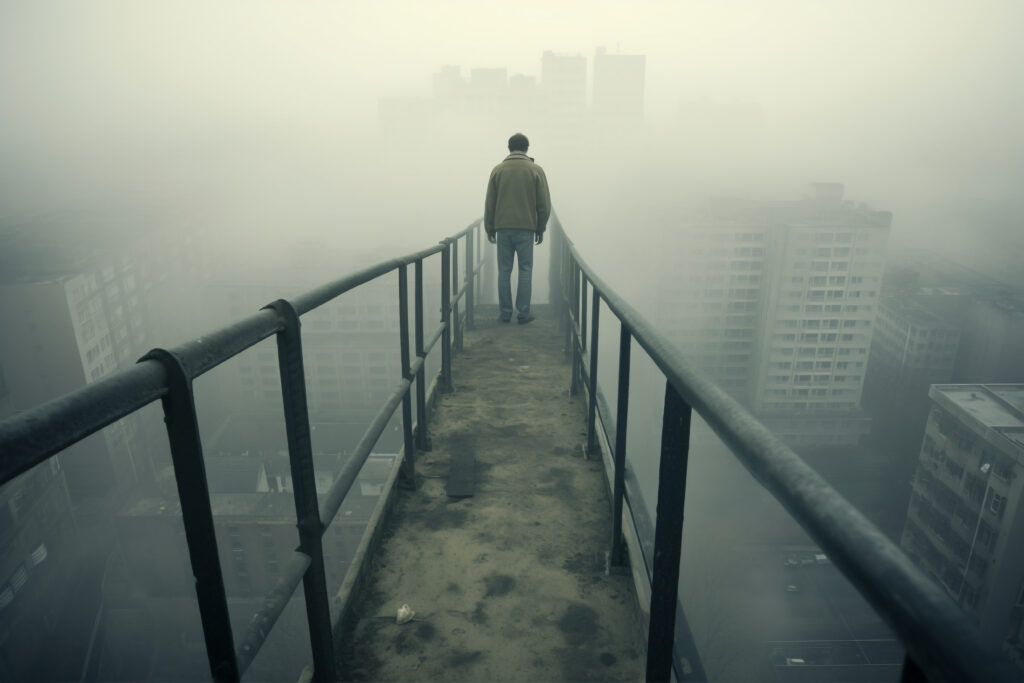
However, beyond its literal meaning, “hapish” also carries a social and emotional perspective. In many cases, it is used to describe a person who suddenly cuts off communication, avoids responsibilities, or withdraws from relationships without explanation. In such contexts, the word reflects feelings of disappointment, frustration, or even betrayal from others.
From a societal point of view, being “hapish” is often seen negatively. It suggests a lack of accountability and reliability, which can damage trust within families, friendships, and professional environments. People who disappear without explanation may be perceived as careless or inconsiderate, especially in close-knit communities where communication and responsibility are highly valued. At the same time, in some situations, a person may become “hapish” due to personal struggles, pressure, or emotional stress.
In these cases, society is slowly becoming more aware that not every disappearance is intentional neglect—sometimes it is a silent response to overwhelming circumstances. “Hapish” is more than just a slang term; it reflects both everyday behavior and deeper social attitudes toward responsibility, connection, and emotional well-being.